
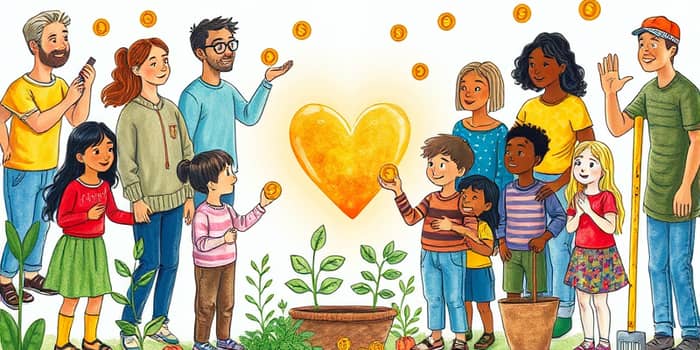
Whether you’re donating a dollar or a thousand, giving back enriches lives and communities. This article explores how individuals from all walks of life can become philanthropists, regardless of financial standing.
The American Philanthropic Landscape
In 2024, total U.S. charitable giving soared to $592.5 billion, marking a 6.3% increase over 2023 and an inflation-adjusted rise of 3.3%[1][2].
This growth reflects a robust commitment across sectors, from small grassroots charities to large national foundations. Individual donors contributed $392.5 billion (66% of total giving), growing 8.2% nominally. Foundations granted $109.8 billion, corporations donated $44.4 billion, and bequests accounted for $45.8 billion.
Donations are fueling key areas of need. Education experienced a 13.2% funding boost, international affairs rose 17.7%, and public-society benefit initiatives climbed 19.5%. Arts, culture, and humanities saw a 9.5% increase, while health-related charities grew by 5.0%[2].
Even amid economic fluctuations, philanthropic giving remained resilient and forward-moving, outpacing inflation and enabling nonprofits to plan for the future with confidence.
Why Every Contribution Matters
While headlines often highlight multimillion-dollar gifts, philanthropy’s foundation is built on the countless smaller donations made daily. These everyday acts of generosity create a ripple effect, inspiring others and strengthening social bonds.
Contributing any amount cultivates a sense of purpose and connection. Research shows that giving promotes well-being, reduces stress, and fosters community engagement, making it a virtuous cycle of mutual benefit.
- Direct donations to local nonprofits
- Crowdfunding campaigns that rally communities
- Micro-philanthropy platforms and round-up apps
- Workplace giving programs and matching gifts
- Recurring micro-donations that build steady support
- In-kind donations of goods and essential services
With even the smallest gift, donors fuel movements, support mission-driven organizations, and inspire others to join the cause.
New Generations, New Priorities
The upcoming transfer of $124 trillion in wealth to Millennials and Gen Z over the next 25 years promises to reshape philanthropic landscapes[3]. These younger donors are more mission-driven, seeking to address urgent global challenges like climate change, systemic inequality, and mental health.
Since 2021, Millennial charitable participation has risen 16%, while Gen Z engagement has surged 22%. They are demanding transparency, real-time reporting, and direct engagement, holding nonprofits to higher accountability standards.
Meanwhile, corporate philanthropy has expanded, with companies matching employee gifts and volunteering time, although billions of matching opportunities remain unclaimed each year. This trend underscores the importance of integrating personal values with corporate responsibility.
Ways to Give Beyond Dollars
Philanthropy is not confined to financial donations. Individuals of all income levels can contribute time, talents, and expertise to causes they care about. Volunteering can match or even surpass the economic value of monetary gifts.
- Skills-based volunteering in accounting, marketing, or legal support
- Participating in giving circles or collaborative funds
- Donor-Advised Funds (DAFs) for strategic, long-term giving
- Limited-life philanthropy that spends down assets within a defined period
- In-kind donations of goods, clothing, or professional services
- Peer-to-peer fundraising and community advocacy
Engaging in these methods shows how skills-based volunteering transforms lives and fosters deep relationships between donors and beneficiaries.
Global Perspectives: Learning from Worldwide Giving
While the U.S. leads in overall giving, accounting for 0.23% of GDP, other nations set powerful examples of generosity. In Nigeria, individuals give 2.8% of their income, and in Kenya, up to 1.5%[4]. Australia contributes around 0.5% of income to charitable causes.
Global philanthropy trends emphasize local support, with 71% of donations staying within donors’ communities and groups, and 12% directed toward international causes. Landmark initiatives like the Tony Elumelu Foundation’s $100 million investment in African entrepreneurs exemplify the transformative power of targeted giving.
Actionable Steps to Start Today
You don’t need to wait for the perfect moment or a windfall to make a difference. Begin by reflecting on causes that resonate with you and identifying resources—time, skills, or funds—you can allocate.
- Set up automatic recurring micro-donations to amplify impact
- Leverage employer matching gift programs to double your contribution
- Volunteer regularly with local nonprofits, offering professional expertise
- Join or form a giving circle to pool resources with friends and colleagues
- Use crowdfunding platforms to champion niche or emerging causes
- Advocate online and offline to raise awareness and mobilize support
By taking these steps, you embrace collective giving magnifies impact and ensure that your contributions align with your values.
The Future of Giving
The philanthropic sector is on the cusp of a digital transformation. Seventy-seven percent of nonprofits plan to adopt AI and machine learning for fundraising and donor communications in the next three to five years[1]. These tools will personalize appeals, automate stewardship, and deliver real-time impact reporting.
Donors now expect to see exactly how their contributions are used, with dashboards, interactive reports, and regular updates. This shift toward measurable outcomes and transparency builds trust and encourages sustained giving.
Even amid economic uncertainty, giving remains resilient. In 2024, charitable contributions not only kept pace with inflation but outperformed it, demonstrating the enduring priority people place on generosity and community support[2].
As we move forward, philanthropy will be more accessible, data-driven, and community-focused than ever before. No matter your budget, you have the power to contribute meaningfully to the causes that move you.
Ultimately, philanthropy transcends financial transactions—it is an expression of shared humanity, an enduring commitment to uplift others, and a testament to the belief that collective action can change the world.
References
- https://www.businessinitiative.org/statistics/non-profit/philanthropic-landscape-2025/
- https://givingusa.org/giving-usa-2025-u-s-charitable-giving-grew-to-592-50-billion-in-2024-lifted-by-stock-market-gains/
- https://altrata.com/the-2025-philanthropy-landscape
- https://www.cafonline.org/insights/research/world-giving-index
- https://worldpopulationreview.com/country-rankings/most-charitable-countries
- https://johnsoncenter.org/blog/11-trends-in-philanthropy-for-2025/
- https://afpglobal.org/news/fundraising-effectiveness-project-data-q1-2025-shows-increases-dollars-raised-declining
- https://globalindices.indianapolis.iu.edu/tracker/index.html
- https://www.nptrust.org/philanthropic-resources/charitable-giving-statistics/
- https://www.statista.com/topics/12625/philanthropy-worldwide/